Career Development Advice Is Obsessed with Big Moves
Careers aren't built on promotions and pivots. They're built on small actions repeated daily — and the math proves it.
Every career advice article I read follows the same script. Get the promotion. Land the dream job. Make the pivot. Big moves. Big bets. Big transformations.
But that's not how my career actually happened.
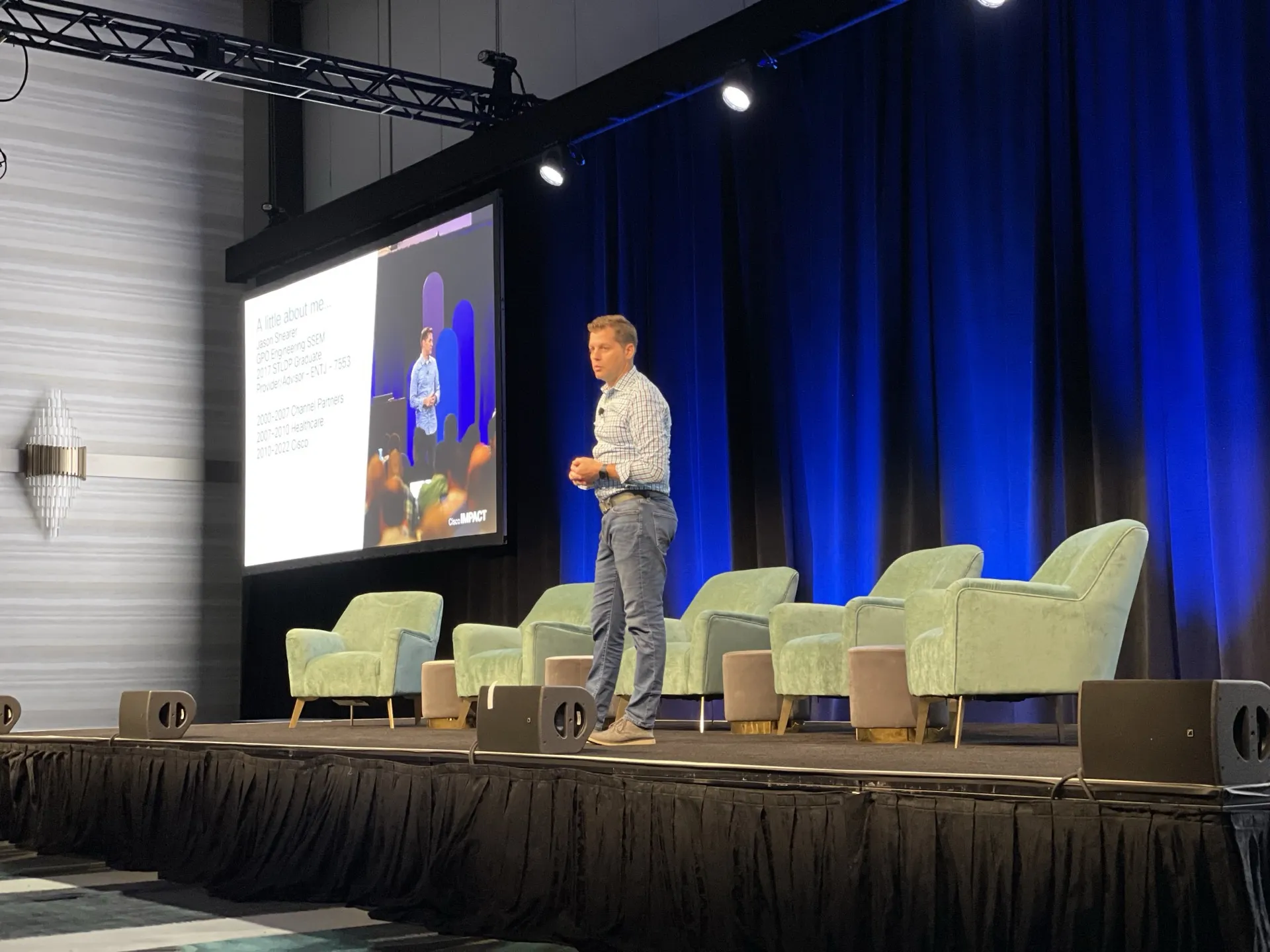
Fifteen years at Cisco, across half a dozen roles. The transitions that mattered most weren't the title changes. They were the Tuesday afternoons. The 30-minute conversation with a colleague in a different org. The weekend deep-dive into a technology I was curious about. The weekly reflection that helped me see a pattern I'd been missing.
None of it felt significant in the moment. All of it compounded over time.
The Math That Changed My Thinking
I started running the numbers a couple years ago when I was building out coaching frameworks, and it genuinely surprised me:
- 15 minutes per day of focused learning = 91 hours per year
- 1 new connection per week = 52 relationships per year
- 1 weekly reflection = 52 course corrections per year
That's not hustle culture. That's 15 minutes before your first meeting and one conversation per week. Totally manageable. And over five years, those numbers become staggering.
The problem is that most people can't see the connection between today's small action and where they'll be in five years. So the daily habit feels pointless. The learning session gets skipped. The networking coffee gets deprioritized. The reflection never happens.
Why Sporadic Big Efforts Fail
I've coached people who do the opposite... they ignore development for months, then panic-study for a certification or scramble to network before a reorg. It's the career equivalent of cramming for a final.
It doesn't stick. Not because they lack discipline, but because compounding requires consistency. A burst of effort followed by months of nothing doesn't compound. It just decays.
The professionals I've seen grow the fastest aren't the ones making dramatic moves. They're the ones who show up every day with a small, intentional action. They read for 15 minutes. They reach out to one person. They write down what worked and what didn't.
Boring? Absolutely. Effective? Undeniably.
Making the Connection Visible
This is exactly the problem I kept running into as a coach. I could explain the math. People would nod. Then they'd go back to their week and forget about it because the daily action felt disconnected from the long-term vision.
That gap between "I know I should" and "I actually do" is what MomentumEQ is designed to close. We make the connection visible... daily actions linked to your development plan, linked to your values. So the small stuff doesn't feel small anymore.
Small actions, done consistently, beat sporadic big efforts every time. The trick is making them feel meaningful enough to actually do.