The Business Side of Race Promoting
Ten years of building community through bike races. This past year has been the hardest — and the lessons apply far beyond cycling.
This one isn't about technology.
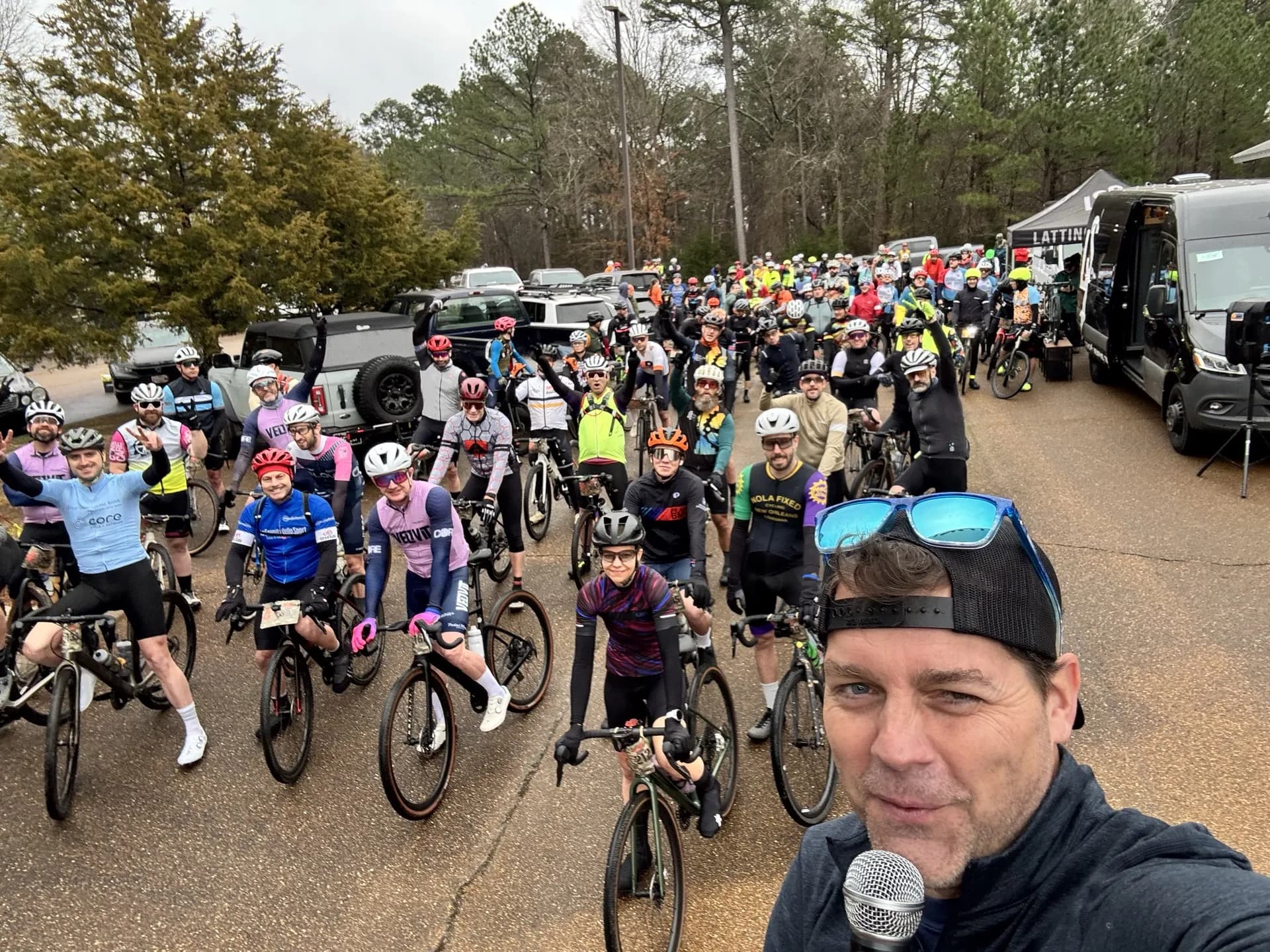
My wife and I have owned a small race promoting business for ten years. Ordinary Epics started as a way to combine our love of cycling with our instinct for building community. We put on gravel and mountain bike races in the Southeast, and over the years it became something we were genuinely proud of... not for the revenue, but for the people who showed up and kept coming back.
This past year has been brutal.
Event registration is down 30-60%, and it's not localized. I've talked to dozens of event promoters nationally over the past couple of months. They're all seeing the same numbers. At the same time, costs are climbing... food, insurance, permitting, rental fees. The math that used to work doesn't anymore.
Three Forces Colliding
The pandemic supply chain hangover. The bike industry is still feeling the fallout. This is an industry that hadn't broadly made the turn to digitization and service-led revenue before COVID hit. The pandemic created a massive demand spike that masked structural problems. When supply caught up, the correction was ugly. Shops that used to sponsor local races and provide day-of support are either gone or running too lean to help. Many manufacturers pivoted to direct-to-consumer, bypassing the local shops that were our ecosystem partners.
Gravel over-saturation. We rode a strong wave of gravel cycling growth that drew riders from road, mountain, and triathlon into a new discipline. That wave attracted a flood of new events... big production companies, small grassroots promoters, and everything in between. The market went from underserved to oversaturated in about three years. And when retired road pros started showing up at what used to be community rides, the everyday rider experience shifted. The vibe changed.
The macro squeeze. Athletes I coach are prioritizing fewer events on their calendar. Less disposable income, more demands on their time. When they do pick events, they tend to gravitate toward larger national races rather than local grassroots. That's rational individual behavior, but it's devastating for community-scale events like ours.
What Disruption Looks Like Up Close
I spend my day job thinking about how industries transform. At Cisco, I've watched voice move from TDM to IP, buildings move from analog to connected, and AI reshape how we think about data. I know the pattern: incumbent models get disrupted, pain happens in the middle, and something new emerges on the other side.
Knowing the pattern doesn't make it hurt less when it's your business.
But it does give me perspective. Every industry faces disruption. The bike industry's challenges aren't unique... they're a specific instance of a universal pattern. Revenue models that depend on a stable ecosystem break when that ecosystem shifts. Community-built businesses are especially vulnerable because their value is real but hard to monetize.
What We're Doing About It
We're not giving up. We're adapting. Smaller events, lower overhead, deeper community focus. Leaning into the coaching side through Ordinary Epics, where we can build relationships that aren't dependent on one registration weekend.
The thing I've learned from ten years of promoting races is the same thing I've learned from fifteen years in tech: the product isn't the event or the platform. It's the community. And communities survive disruption... if you're willing to rebuild around what actually matters to the people who show up.